The Farsan That Used to Fit in a Dabba
In Chembur, the home-chefs who spent forty years turning Diwali into a courier route are watching oil, maida, and sugar eat the margin that used to feed the whole calendar.
Generated by Imagen 4
In 1978, a Marathi housewife in Dadar wrote a cookbook that nobody expected to sell. It was called Ruchira. Kamalabai Ogale, the author, had been collecting recipes from her mother, her aunts, her neighbours across Pune and Kolhapur and the Konkan strip for most of her adult life, and she wrote them down not as a business plan but as a favour to her daughter-in-law. The first print run was 2,000 copies. By the 1990s, Ruchira had sold over a million.
The faral chapter, the section on Diwali savouries and sweets, was the longest in the book.
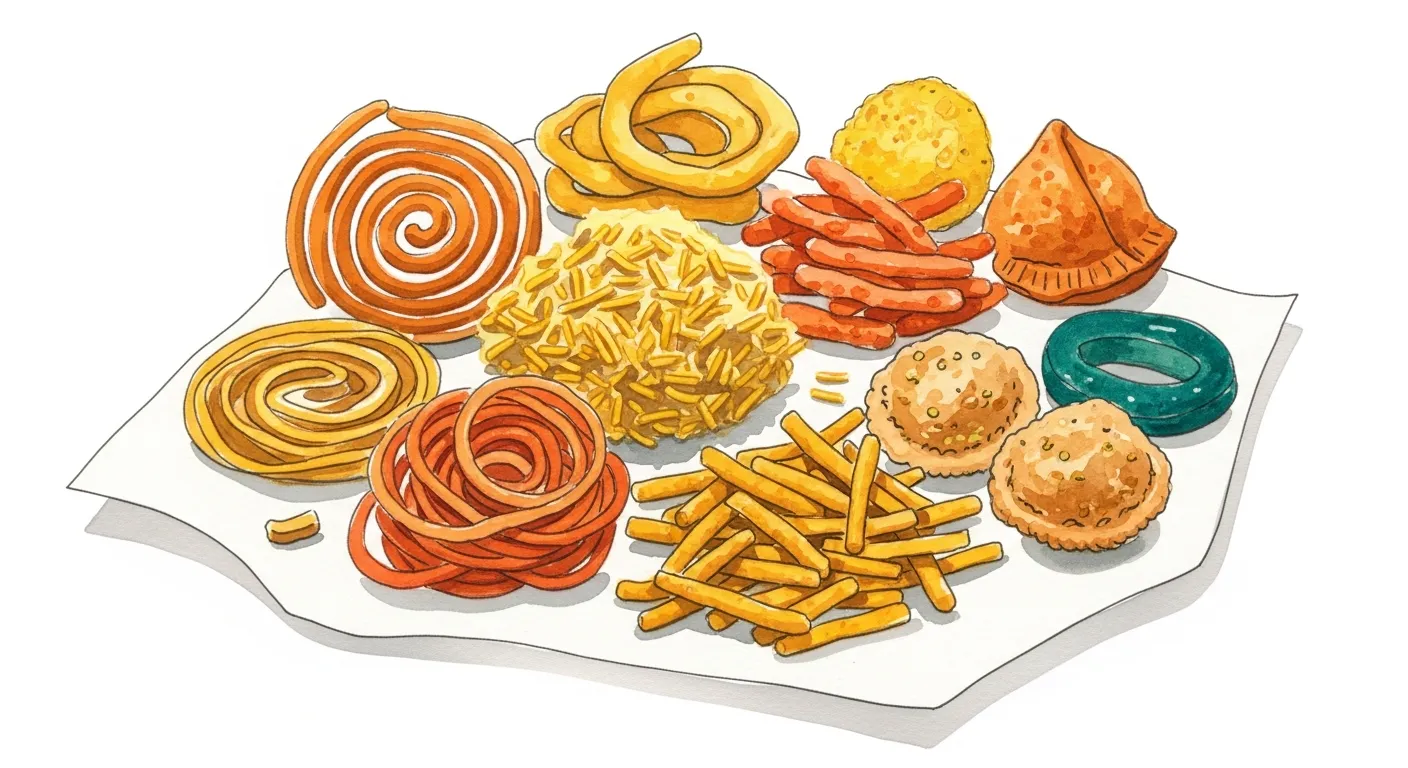
There is a reason for this. In a Maharashtrian household, Diwali is not measured in lamps or in cards. It is measured in dabbas. Chakli in one. Shankarpali in another. Chirote stacked flat so the layers don't shatter. Anarse wrapped in butter paper because they weep sugar overnight. Kadboli, the one that separates the confident cook from the aspirational one, in a tin of its own. Karanji with the seam pinched into a rope. Besan ladoo. Rava ladoo. Shev, chivda, poha chivda, bhajke poha chivda. Twelve items, minimum. Fourteen if the family is showing off. Sixteen if there is a new daughter-in-law who has something to prove.
Somebody has to make all of this.
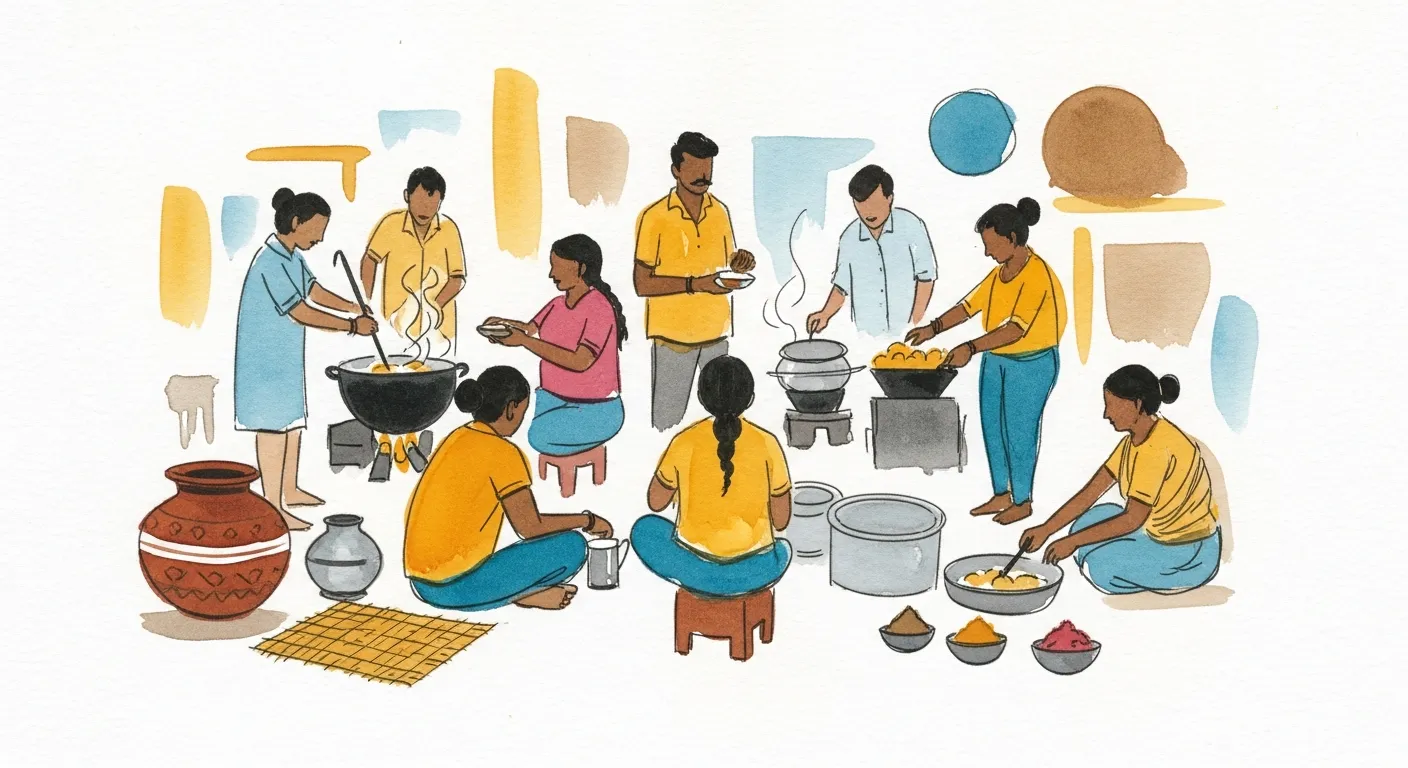
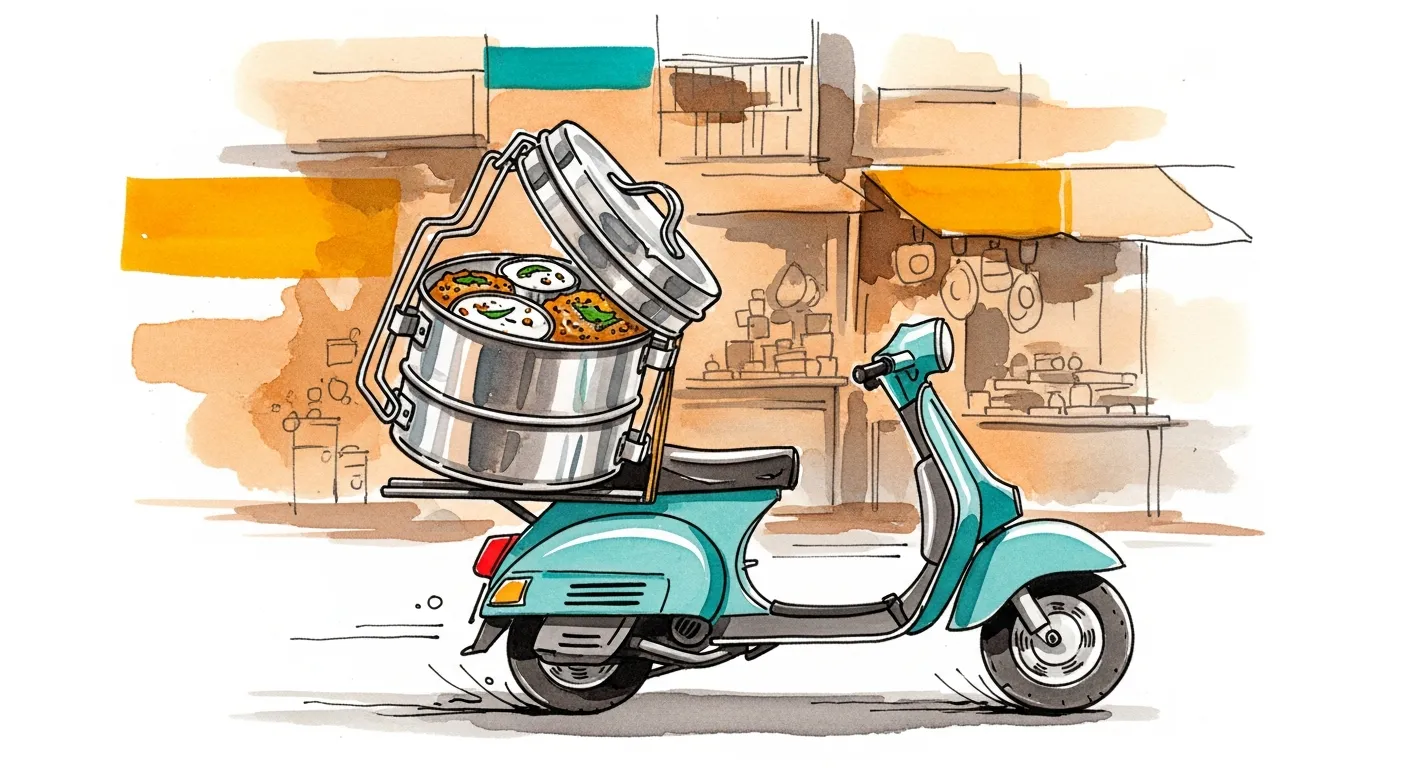
For forty years in Chembur, that somebody has been a network of home-chefs working out of second-bedroom kitchens, mostly women, mostly Marathi and CKP and Konkanastha, taking orders on WhatsApp now but taking them on rotary phones once, delivering by dabbawala in the eighties and by Dunzo in the twenties. The names travel by word of mouth inside the housing societies of Chembur Colony, Diamond Garden, Sindhi Society, Tilak Nagar. You don't find them on Zomato. You find them because your neighbour's mother-in-law knows a lady.
That lady, this year, is doing the math and it is not adding up.
THE OIL DID IT FIRST
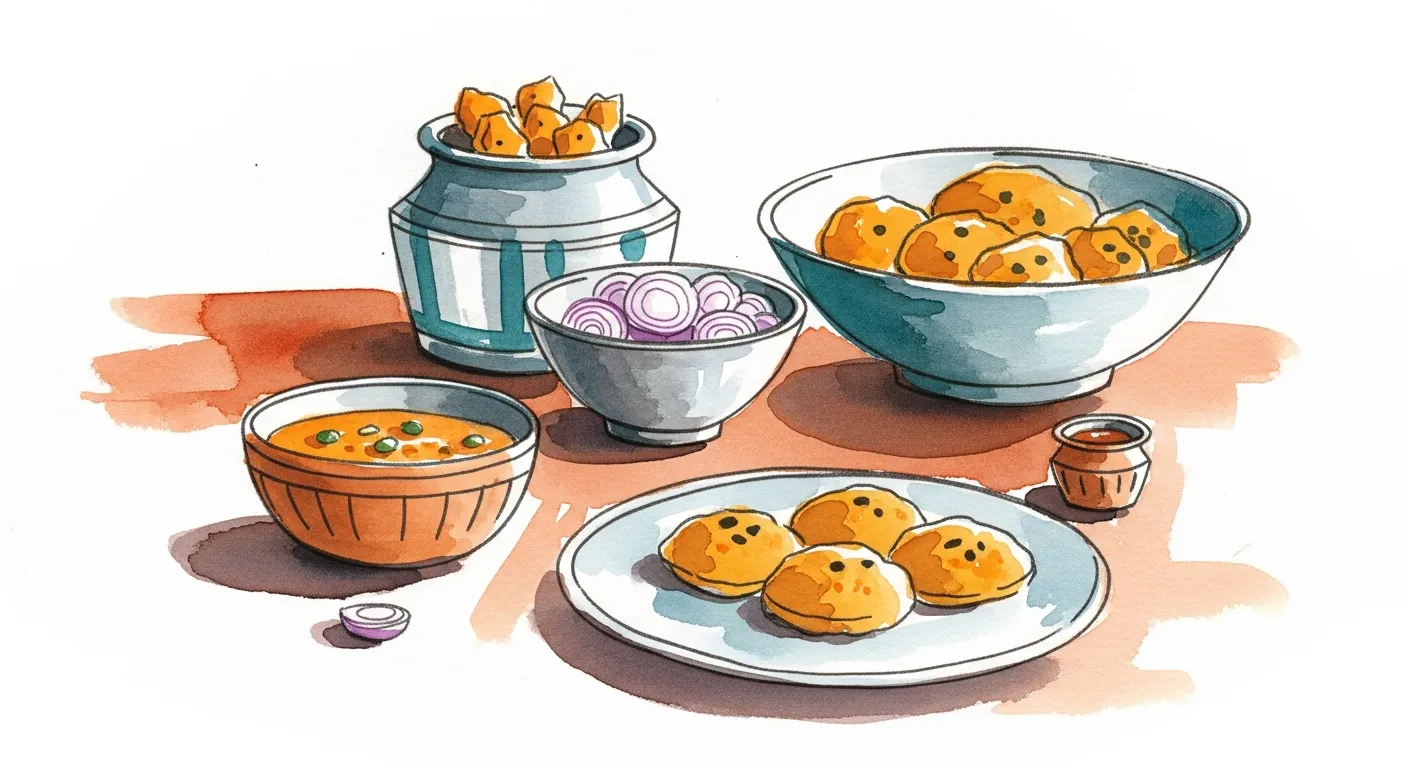
A kilogram of chakli, the spiral kind that a Chembur home-chef will make 200 of in a good week before Diwali, uses roughly 250 grams of oil in the dough and another 400 grams to fry. Kadboli uses more. Chirote, the multi-layered one that puffs into fifty translucent sheets when fried correctly, is essentially an oil delivery mechanism with a wheat flour costume. A single Diwali order of the standard twelve items for one family, at 250 grams each, burns through close to five litres of oil before the chef sees a rupee of profit.
Until late 2024, most Chembur home-chefs were buying refined groundnut oil in 15-litre tins at around 1,900 to 2,050 rupees. Some blended in rice bran for the deep-frying and kept groundnut for the finish. By March 2026, Mumbai Mirror was reporting that the same 15-litre tin was retailing at 2,480 to 2,740 rupees, and loose oil had climbed from 140 to 145 rupees per litre to 167 to 187 rupees per litre. "Earlier, several brands were selling at around Rs 140-Rs 145 per litre. Now, depending on the brand, prices have increased to Rs 167-Rs 187 per litre," the report noted.
That is a 30 percent hike on the single largest input in a farsan kitchen.
A home-chef working on 20 percent margins does not survive a 30 percent hike on her biggest ingredient by making a spreadsheet. She survives by making less chakli.
THE FLOUR FOLLOWED
Maida is the quiet villain of this story. Chirote is maida. Karanji shell is maida. Shankarpali is half maida half rava. The Times of India, reporting on the 2023 Diwali season, spoke to Sangeeta and Suvarna Gokhale, Chembur home-chefs who between them make twelve varieties of faral including kadboli, chirote and anarse. Their orders for that Diwali were down 25 percent from the year before. The reason, they said, was straightforward: maida, sugar, spices, and oil had all moved up by 10 to 25 percent, they had passed on part of the hike, and their regulars had responded by ordering smaller boxes.
Smaller boxes are the tell.
A family that used to order a kilo of chakli now orders 500 grams. A family that used to buy the full twelve-item assortment now buys eight. The home-chef, who used to plan her Diwali production around a predictable base of forty or fifty repeat customers each ordering the full set, is now making forty or fifty smaller orders for the same effort. Same flour. Same oil. Same three-day sleep deficit. Less money.
The unit economics of a Chembur farsan kitchen work only at scale. Take away the scale and the whole thing becomes a hobby.
THE SUGAR AND THE ANARSE
Anarse is the recipe that separates the generations. It uses jaggery-rice flour dough that has to be rested for three to seven days, sometimes longer, until it ferments to exactly the right sourness. Fry it too hot and it disintegrates. Fry it too cold and it drinks oil. Nobody under forty in a Chembur housing society knows how to make anarse correctly. Everybody over sixty does.
Sugar prices moved up 12 percent year-on-year through 2025, part of the near-20 percent surge in Diwali sweets and dry fruit costs that Actowiz Solutions tracked across the season. Sugar shows up in shankarpali, in besan ladoo, in the syrup for chirote, in the coating for anarse. It is not a garnish. It is a structural material.
Crisil's July 2026 thali index, tracking home-cooked meal costs across India, showed vegetable oil up 11 percent year-on-year and onion up 20 percent, blaming unseasonal rainfall in Maharashtra for part of the pressure. A thali is a rough proxy. Faral is thali on hard mode. Every input in the thali index that moved up moved up harder inside a farsan kitchen, because farsan uses proportionally more oil, more sugar, more of the spices that get labeled "other" in an economist's basket.
THE PART NOBODY TALKS ABOUT
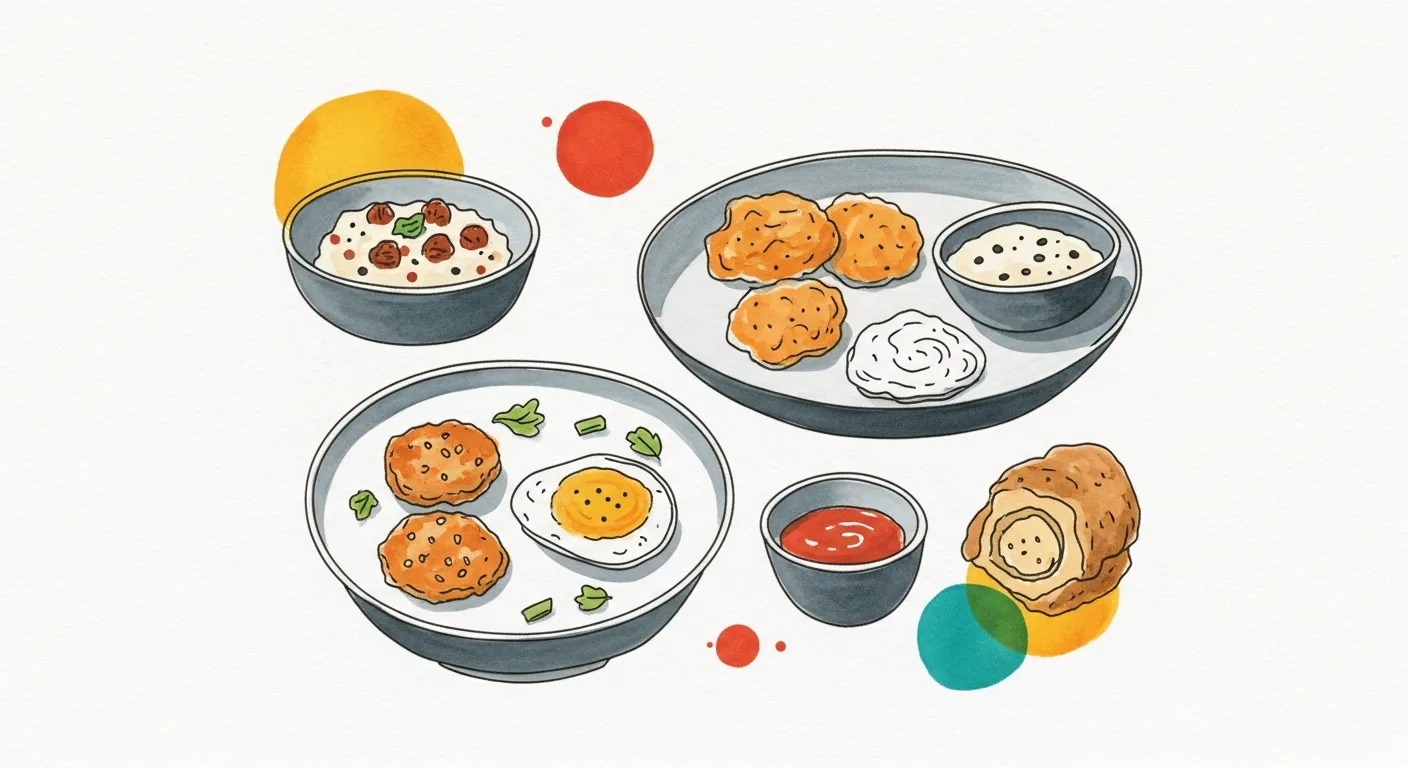
The economic squeeze is the visible half. The invisible half is the recipe.
A Chembur home-chef who has been making anarse for thirty years learned it from her aunt in Sawantwadi. Her aunt learned it from her mother in Vengurla. The recipe is not written down in Ruchira with any particular precision, because it cannot be. The dough is ready when it smells right. The oil is ready when a pinch of dough behaves in a specific way. This is knowledge that transfers by standing next to somebody for a week, not by reading a paragraph.
When the margin collapses and the home-chef decides that this year she will not take orders, or will only take orders for the four easiest items, the transfer does not happen. The daughter or daughter-in-law who was going to spend the week before Diwali watching, learning, getting scolded, ends up ordering from a packaged brand that has scaled up specifically because home production has scaled down. Haldiram. Chitale. Ghasitaram. The packet is fine. The packet is engineered. The packet has never sat for six days waiting to ferment.
Every year the packet gets better, and every year the number of people who know why the packet is not the same gets smaller.
Archana's Kitchen, in its running project to document 95 traditional heirloom sweet recipes, calls these dishes exactly what they are: heirloom. The word is not decorative. An heirloom is a specific object that passes from one named person to another named person on a specific date. If the chain breaks, the heirloom is not lost in the abstract. It is lost in the specific.
THE PRICE THE CUSTOMER SEES
The customer in Diamond Garden who orders 500 grams of chakli instead of a kilo is not being stingy. She is doing her own arithmetic. Her building's maintenance is up. Her son's school fees are up. The petrol in the car is up. Her Diwali budget has to stretch across gifts, sweets, savouries, the maid's bonus, the watchman's bonus, the courier boy's bonus, the electrician who came last week, and the tailor who is holding her blouse hostage until Bhau Bij.
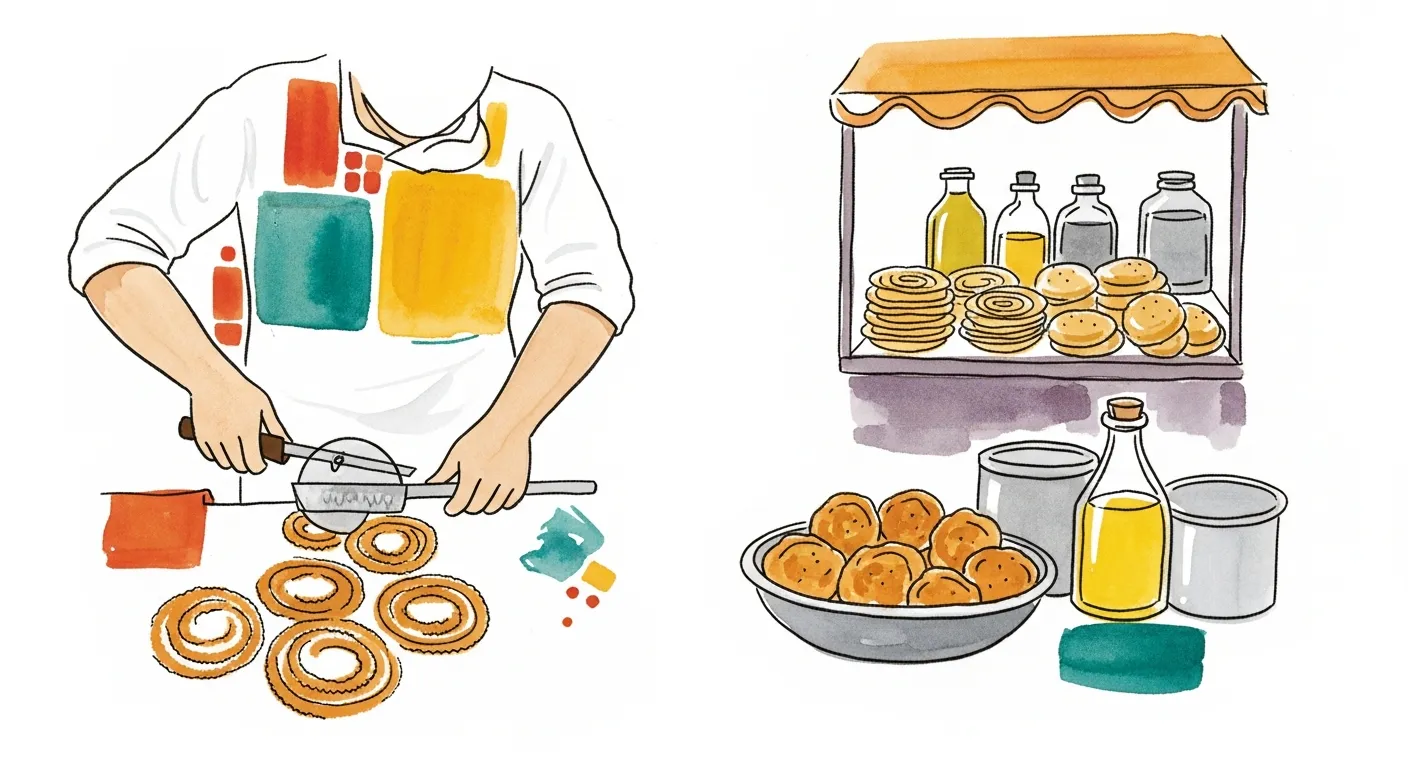
She cuts the chakli order. The home-chef cuts the production. The oil vendor sells the same tin to a smaller number of buyers at a higher price. The packaged brand ships another pallet to the local grocer. The aunt in Sawantwadi does not get a call this year asking whether the anarse dough is supposed to smell like this.
The recipe does not disappear in one Diwali. It disappears across three.
WHAT SURVIVES
Some of it will hold. There are Chembur home-chefs who have already moved to a subscription model, delivering monthly farsan through the year instead of concentrating the risk in one October window. There are younger women in the same building who are learning specifically because they have watched their mothers get squeezed and have decided this is worth the trouble. There are WhatsApp groups where a chakli maker in Chembur will trade a batch with a karanji specialist in Vile Parle so both households get the full assortment without either working themselves flat.
Ruchira is still in print. The chapter is still the longest.
But the dabba is smaller than it used to be, and the anarse, when it appears at all, is more often the packaged kind. The lady in Chembur who still makes it the way her aunt in Vengurla taught her is 68 this year. She took three orders for anarse this Diwali. Last year she took eleven.
The oil went up. The maida went up. The sugar went up. The recipe is still free.
Field Notes
Quick referenceRuchira's first print run was 2,000 copies in 1978. By the 1990s it had crossed a million. The faral chapter was the longest.
A 15-litre tin of groundnut oil went from around 1,900 rupees to 2,740 rupees between late 2024 and March 2026. That is a 30 percent hike on the single largest input in a farsan kitchen.
Anarse dough rests for three to seven days before it can be fried. Nobody under forty in a Chembur housing society knows how to make it correctly. Everybody over sixty does.
Chembur's home-chefs are not on Zomato. They are in Chembur Colony, Diamond Garden, Sindhi Society, Tilak Nagar. You find them because your neighbour's mother-in-law knows a lady.
Sangeeta and Suvarna Gokhale, Chembur home-chefs, saw Diwali orders fall 25 percent in 2023 after maida, sugar, spices, and oil each moved up 10 to 25 percent.
Get the next story first
Join the Bhukkads. Free, no spam, just stories.
Takes 30 seconds.