The Twenty-Seat Rebellion
Lower Parel's fine-dining rooms are quietly shrinking. The economics finally caught up with the chandeliers.
Generated by Imagen 4
In 1854, the Bombay Spinning and Weaving Company opened its first mill in Tardeo. By 1900, the island city had over eighty of them. The chimneys ran twenty-four hours. The workers ate at khanavals, small kitchens run by women who fed three hundred men a day off a single chulha, two vegetables and a bhakri for the price of a tram ticket.
A hundred and seventy years later, the mills are gone, the khanavals are gone, and the same land now carries some of the most expensive rent per square foot in the country. The kitchens on those floors serve twelve courses to eighteen people at a time. The maths, though, is closer to the khanaval than anyone in Lodha Signet would like to admit.
THE 40 LAKH FLOOR
A fine-dining room in Lower Parel now runs a monthly operating cost of thirty to forty lakh rupees. Rent is the loudest number, but not the only one. Skilled brigade salaries. Imported produce. A pass equipped with induction, blast chillers, sous-vide baths, and a Josper that costs more than a small car.
Then the LPG bill climbed. Edible oil climbed. Vegetable prices climbed. Even the plastic containers used for staff meals climbed. Operational costs across Bombay's hospitality sector went up by roughly twenty percent. Menus followed. Ten to twenty percent, quietly, across the board.
The à la carte model was built for a decade when rent was the biggest number on the P&L. It isn't anymore.
THE ROOM NOBODY DEFENDED
Everyone talks about the closures. The rooms that shuttered after the pandemic, the leases that didn't renew, the chefs who moved to Goa or Bandra or a cloud kitchen in Andheri. That is the visible half.
Nobody talks about the rooms that stayed open and quietly rewrote what they were. The hundred-cover dining floor that started blocking off Tuesdays and Wednesdays for private buyouts. The ninety-seat Italian that turned its mezzanine into a chef's table with its own booking calendar. The Peruvian-Asian room at Peninsula Corporate Park that added a dedicated luxury lunch programme because the evening covers alone could not carry the rent.
The à la carte menu still exists. It is just no longer the point.
THE 30 PERCENT WHO CAME BACK HUNGRIER
Here is the number the industry keeps returning to. Post-pandemic, thirty percent of Mumbaikars reported dining out more often than before, and the ones who came back were not looking for the same thing they left.
They wanted fewer meals, better meals, and a story to go with them. They wanted to know the name of the farm the tomato came from. They wanted the chef to walk over between the fourth and fifth course and explain why the koliwada masala was fermented for eleven days instead of seven. They wanted, in other words, the opposite of what a two-hundred-item à la carte menu delivers.
Scarcity is the new luxury. Volume is the old one.
The tasting menu, the supper club, the narrative chef's table. All three do the same thing to the balance sheet. They lock in revenue before the ingredient is bought. They compress a hundred covers of variable margin into eighteen covers of fixed margin. They move the restaurant from a retail business to something closer to a ticketed event.
THE MATHS OF EIGHTEEN SEATS
A hundred-cover Lower Parel room needs to average six thousand rupees a head, six nights a week, to touch break-even on a forty-lakh cost base. That is thirty-six lakh in weekly cover value, and it assumes the room fills. Most weeks, it doesn't.
An eighteen-seat chef's table at twelve thousand a head, running four services a week, brings in roughly eight and a half lakh weekly with almost no wastage. The brigade is smaller. The menu is fixed. The produce order is placed against a confirmed guest list, not a hopeful forecast. Bhukkads pay upfront. The kitchen cooks what it planned to cook.
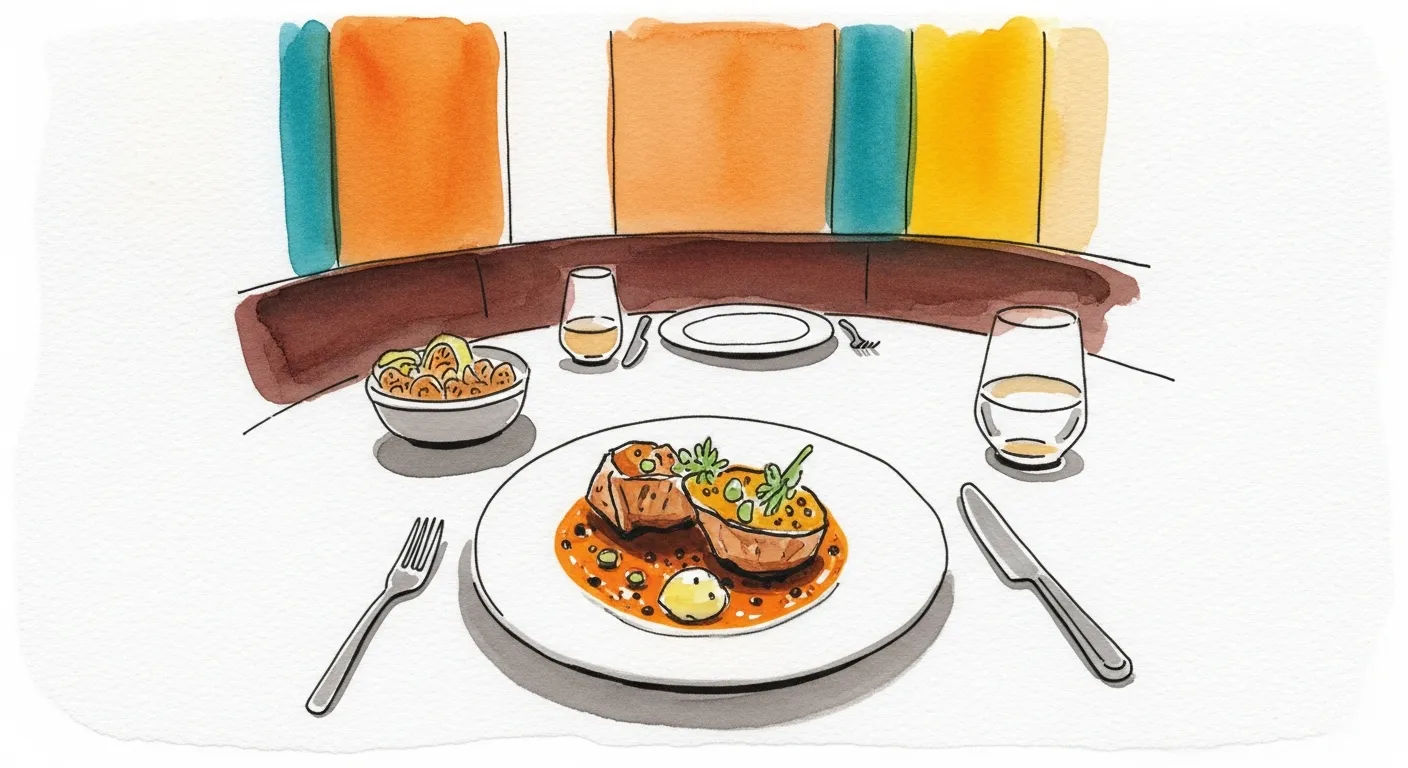
The margin per seat, once you strip out the pilot-light losses of the à la carte model, is not close. It isn't the same sport.
THE REVENUE STREAMS NOBODY PUT ON THE SIGNBOARD
The tasting menu is only the front of the shift. Behind it, the same rooms are quietly running four or five other lines of income the à la carte era never needed.
Private events in the main dining room on off-nights. Catering contracts with the corporate towers next door, the ones full of the same guests who booked Friday's chef's table. Branded merchandise, meal kits, ferment jars, house granola, sold off a shelf near the host stand. Pop-up residencies where a chef from Lima or Tokyo takes over the pass for ten days and every seat is sold before the flight lands.
The restaurant used to be the product. Now the restaurant is the venue, and the product is whatever the calendar says it is that week.
THE CULTURAL COST
Some of this is a gain. The best food in Lower Parel right now is being cooked for eighteen people at a time, by a chef who knows every guest's name before they sit down. The storytelling is real. The sourcing is tighter. The plate is more thought through than any hundred-cover kitchen can manage on a Saturday at nine-thirty.
Some of it is a loss. The walk-in dinner, the one where you decide at seven that you want pasta at eight, is quietly getting harder to book. The neighbourhood room, the one you went to twice a month because the seabass was reliable and the staff remembered your drink, is being replaced by a rotating calendar of ticketed evenings you have to plan three weeks ahead.
The à la carte menu is not being replaced. It is being demoted.
The corporate lunch survives because Peninsula Corporate Park is still full at one PM. The romantic dinner survives because the two-top table still books. Everything in between, the casual Wednesday, the friends-in-town Thursday, the last-minute Sunday, is being handed off to a smaller room upstairs where the price of admission is a card charge two weeks in advance.
WHERE IT LANDS
Lower Parel is doing what Lower Parel has always done. It is taking a factory floor, watching the old economics stop working, and rebuilding what the room is for.
The mills became malls. The malls became offices. The offices grew restaurants. The restaurants are now growing smaller restaurants inside themselves, ticketed and tasting-menued and chef-led, because the maths of a forty-lakh room and a thirty-percent-hungrier guest finally met in the middle.
The khanaval women fed three hundred men off one chulha because the mill ran three shifts and the tram cost two paise. The chef's table feeds eighteen guests off six induction hobs because the rent is forty lakh and the guest wants a story.
Different century. Same island. Same answer.
Cook for the room you have.
Field Notes
Quick referenceA fine-dining room in Lower Parel runs thirty to forty lakh rupees a month before a single cover is turned.
18 seats. 12,000 a head. 4 services a week. Almost no wastage. The hundred-cover room cannot compete with that P&L.
Post-pandemic, 30 percent of diners reported eating out more often than before, and they came back wanting fewer courses, not more options.
By 1900, Lower Parel and the surrounding mill district held over eighty textile mills. The khanavals that fed their workers ran on one chulha and no menu.
The modern Lower Parel kitchen runs up to five income streams at once: tasting menus, private buyouts, corporate catering, retail merchandise, and rotating pop-up residencies.
Get the next story first
Join the Bhukkads. Free, no spam, just stories.
Takes 30 seconds.