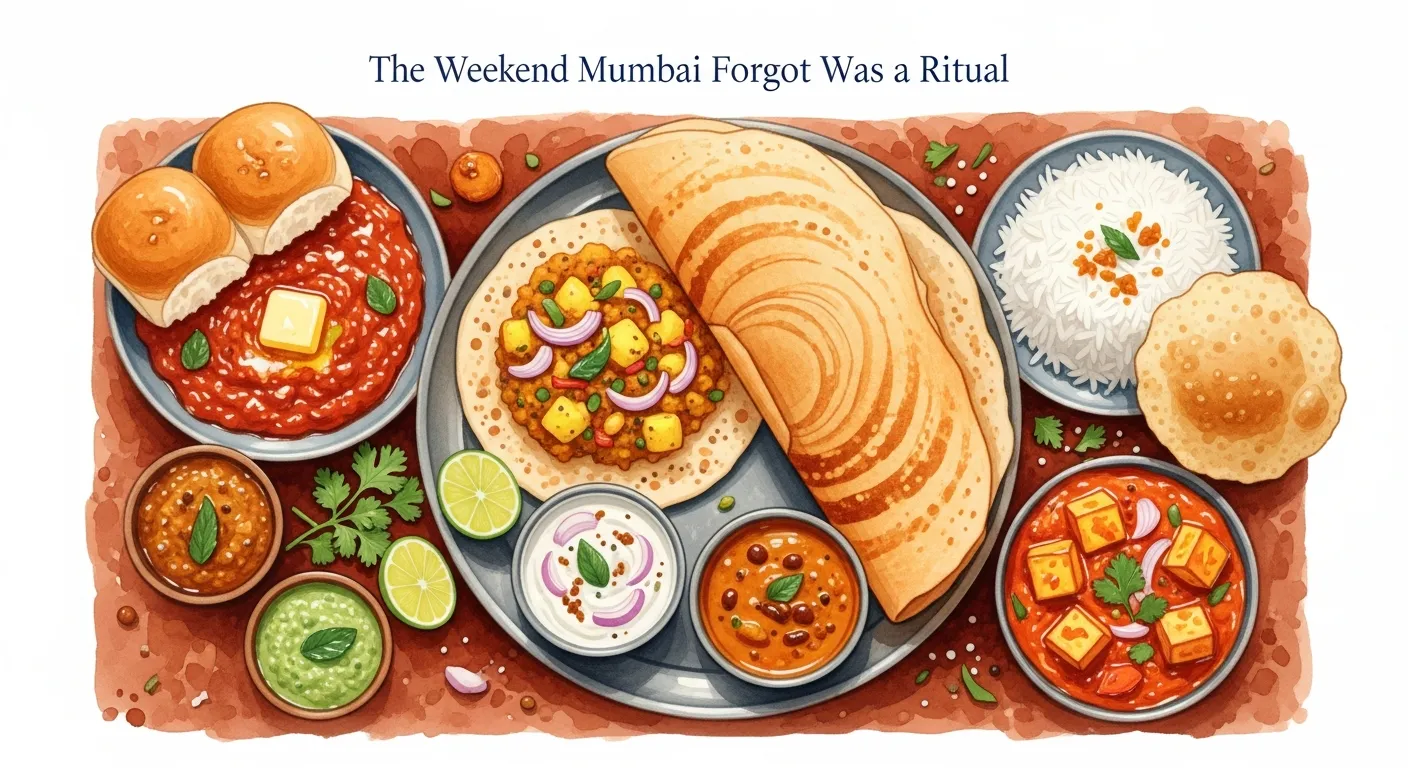
The Circle That Refused to Become a Mall
Matunga's Udupi houses have outlived three generations, two pandemics, and one cooking gas crisis. The fourth generation is the one nobody is sure about.
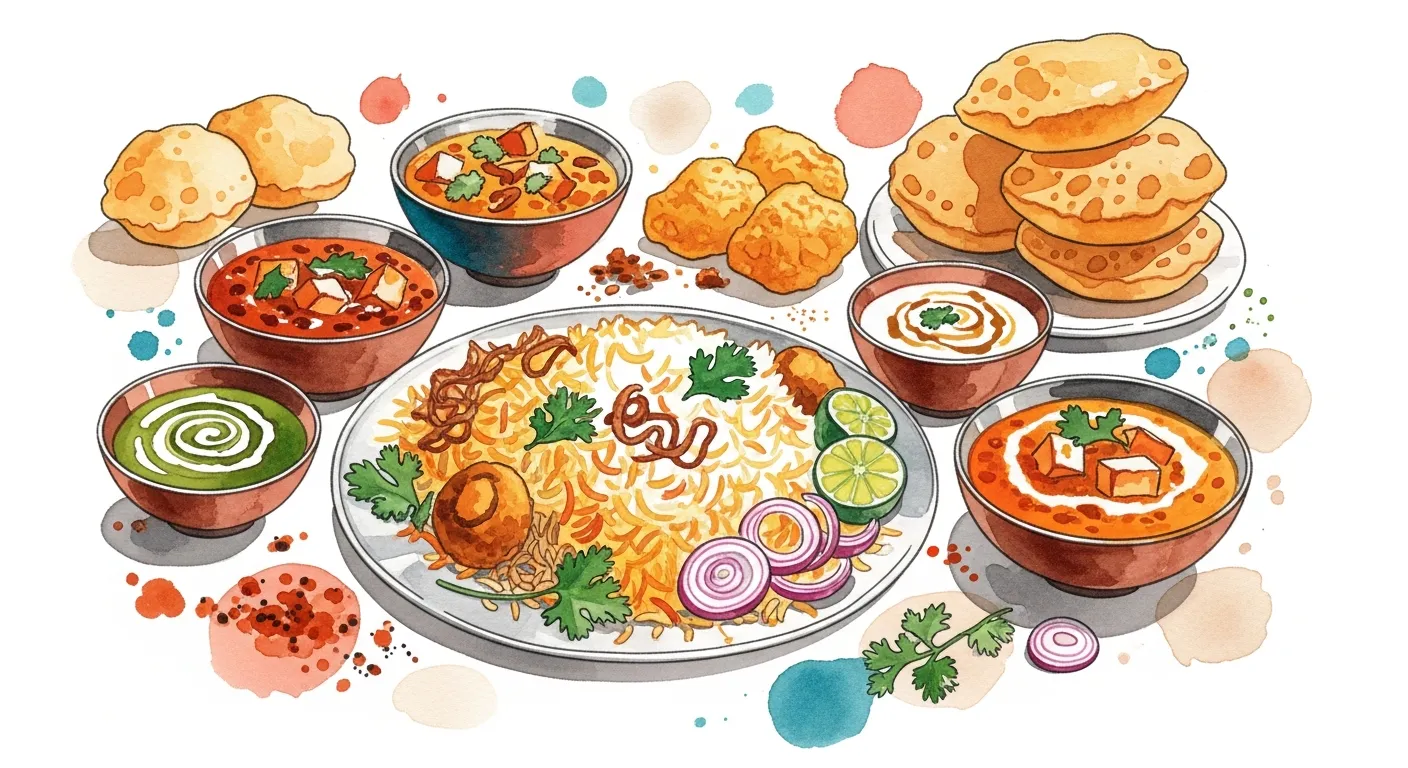
Generated by Imagen 4
In 1924, a Brahmin cook named Krishna Rao left a temple kitchen in coastal Karnataka and got on a train. He was not the first. He would not be the last. For the next forty years, men from the villages around Udupi, Shirva, Karkala, Brahmavar, would do the same journey, carrying a single skill in their hands and a single rule in their heads. You cook only what you would eat. You eat only what the temple would serve.
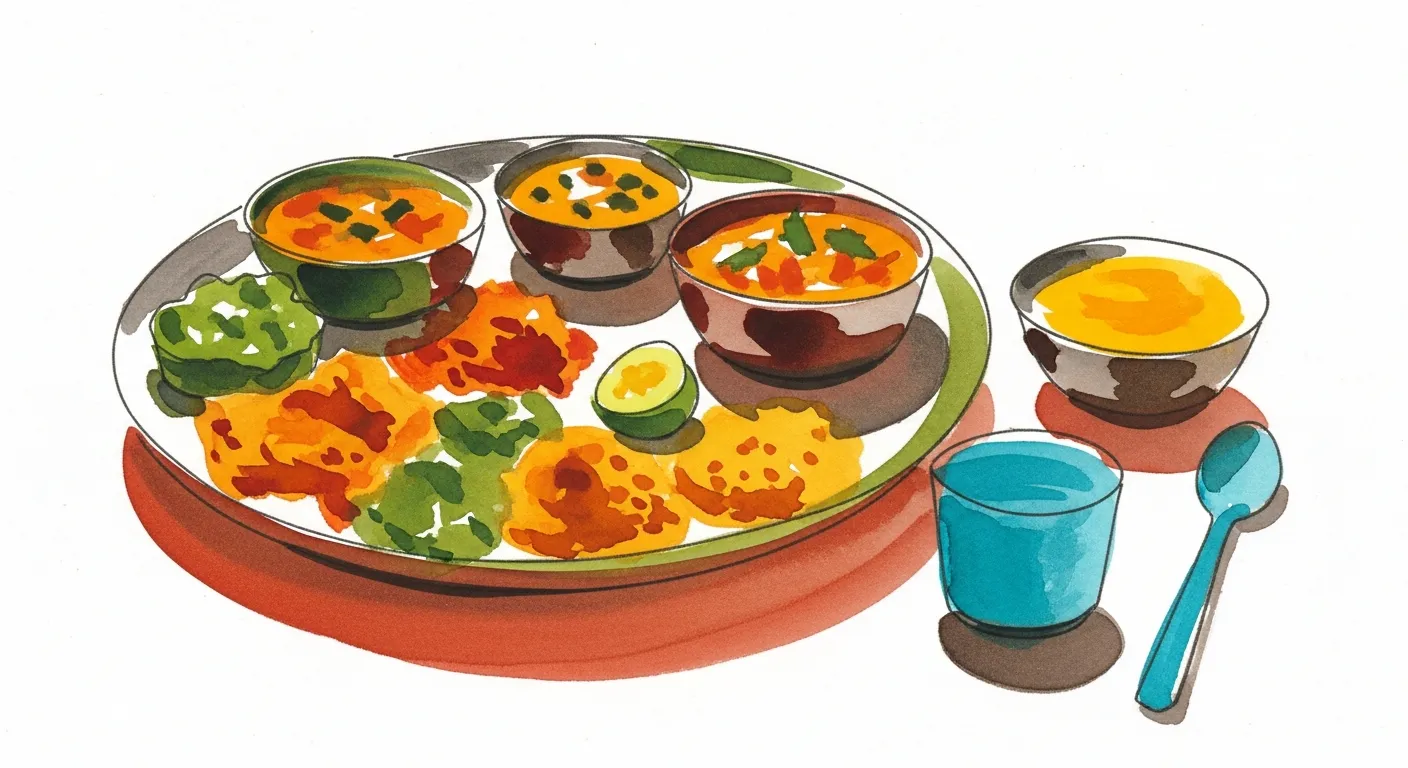
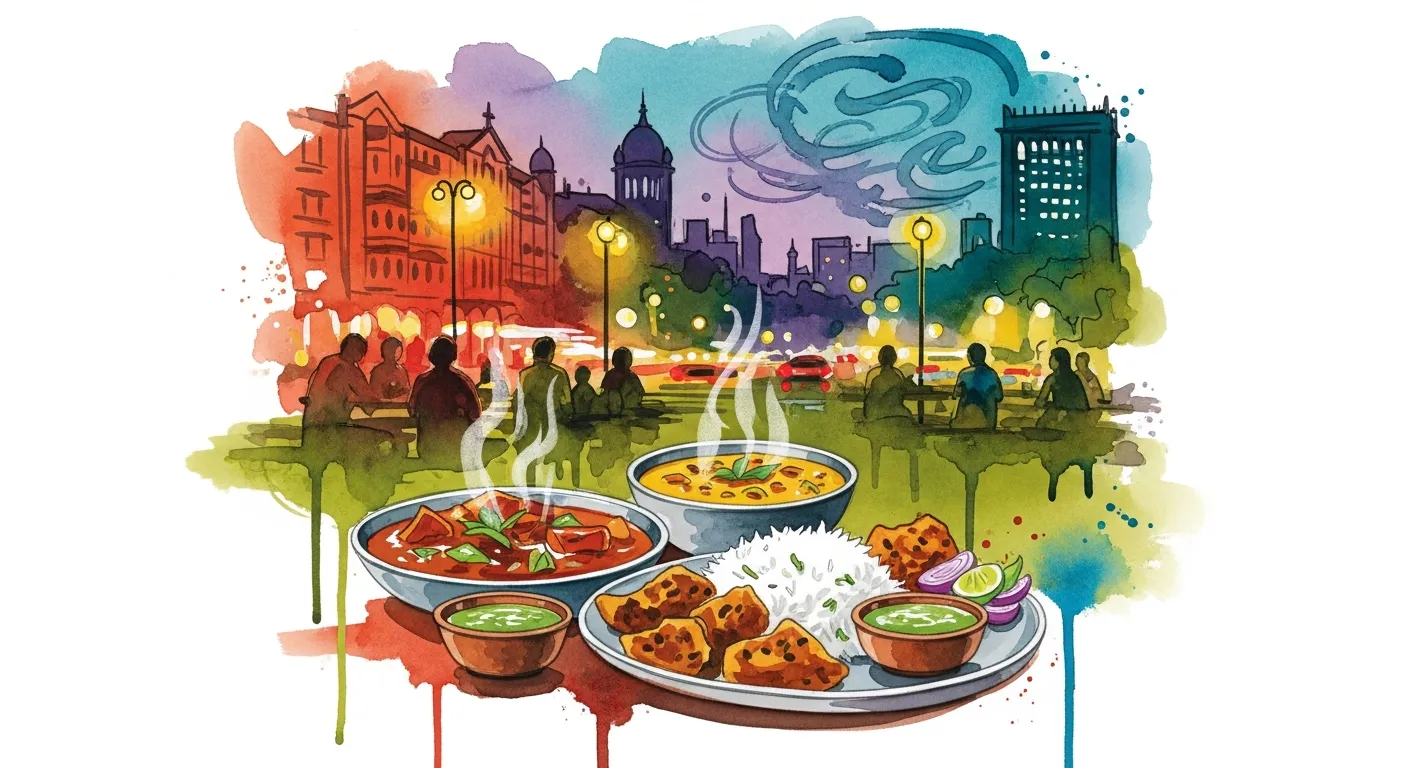
The rule travelled better than the men. By 1950, the rule had built a district. By 1970, the district had a name. King's Circle. Five roads converging on a roundabout in Matunga, ringed by lodging houses with painted signboards: Madras Cafe, Mysore Cafe, Ramashraya, Sharda Bhavan, Anand Bhavan, Cafe Madras. Sambhar served from steel buckets. Filter coffee in tumbler and dabarah. Idlis steamed in cloth, not plastic. Rasam thinned with tamarind from the cook's village, not from a packet.
A hundred and one years after Krishna Rao got off that train, the same roads are still there. The same boards. The same buckets. The same coffee.
The cook is the problem.
THE MAN WHO IS NOT BEING REPLACED
Nobody talks about the cook. Everybody talks about the dosa.
The Udupi kitchen is not a recipe. It is an apprenticeship. The man at the tava in Ramashraya at 7am did not learn to make a sada dosa from a book. He learned it from a man who learned it from a man who learned it in a temple courtyard in coastal Karnataka in the 1960s. The batter ferments by feel. The chutney is ground by eye. The sambhar is corrected by tasting the rasam first, because the rasam tells you what the lentils did overnight.
This chain of hands is what is breaking.
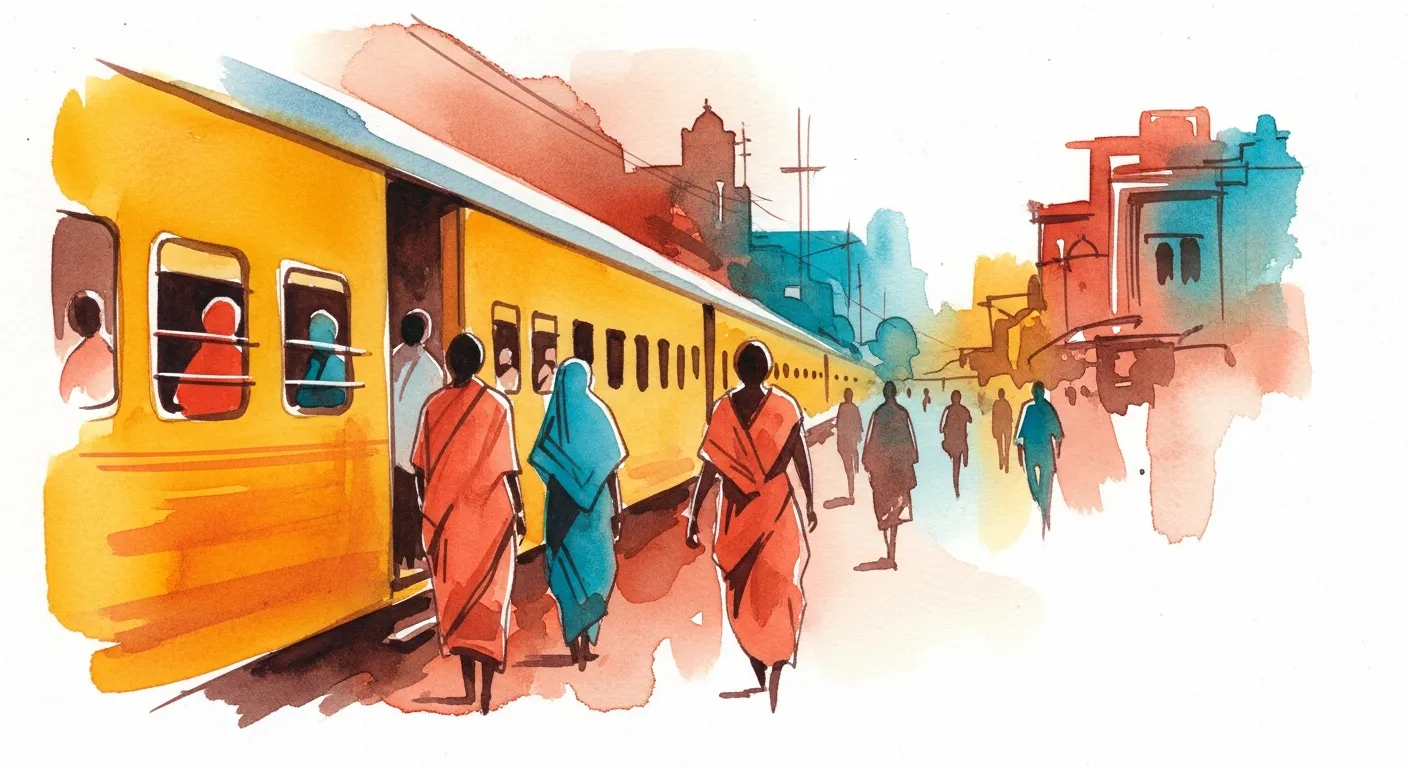
The migrant workforce that staffed these kitchens for a century is no longer arriving on the same train. Coastal Karnataka has gulf remittances now. Mangalore has a port. Udupi has engineering colleges. A 22-year-old from Shirva who would, in 1985, have ended up at a stove on Bhandarkar Road, is now in Dubai, or in a coding bootcamp in Manipal, or running his own catering outfit in Bengaluru. The wages that brought his grandfather to Bombay no longer beat the wages at home.
The commercial LPG crisis made it worse. When Mumbai restaurants started rationing cooking gas, kitchens across King's Circle began simplifying staff meals to keep the cylinder count down. Not the menu for diners. The food that the cooks themselves eat between shifts. The thinking was specific: if the kitchen staff don't get the food they expect from home, they go back to their native places. The cylinder shortage was not a cost problem. It was a retention problem dressed as a cost problem.
The Udupi kitchen survives on two cylinders. The first one cooks the dosa. The second one cooks the man who cooks the dosa.
THE BUILDING THAT IS WORTH MORE EMPTY
Ramashraya is 86 years old. It opened in 1939. The second generation expanded the eatery. The third generation runs it now, with celebrities, office clerks, MNS workers, retired professors, and Tamil grandmothers eating off the same Formica tables. The Indian Express documented this. The crowd has not changed in three decades. The menu has not changed in seven.
What has changed is the math of the ground floor.
King's Circle real estate has been on a one-way escalator since 2012. A 600 square foot shop on Bhandarkar Road that, in 2005, paid roughly the rent of a one-bedroom flat in Sion, today commands lakhs a month at market rates. The Udupi houses that own their buildings are fine. The ones on long-tenure leases are fine. The ones whose leases are coming up for renewal are doing a calculation that did not exist when their grandfathers signed the papers.
The calculation is this. A plate of idli wada sambhar sells for under two hundred rupees. The seat turns over four times at lunch. The kitchen needs ten staff. The cook makes more than he made five years ago. The cylinder costs more than it did last year. The rent, if the lease resets, will eat the entire morning shift.
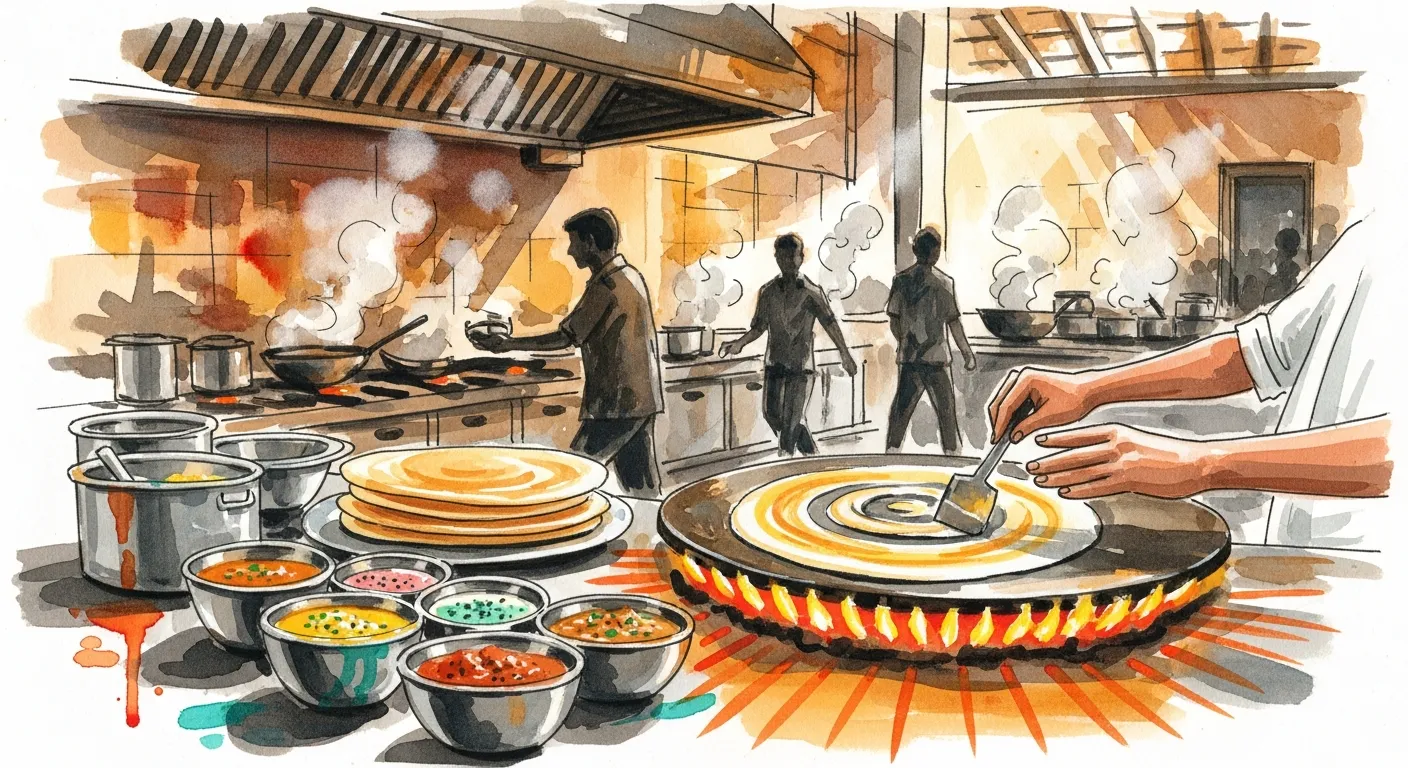
A jewellery showroom does not need ten cooks. A bank does not need a steamer.
The buildings are, on paper, worth more empty than full.
The dosa survives because the family hasn't sold the building. That's the whole strategy.
THE MENU THAT QUIETLY MOVED
The purists will tell you that an Udupi restaurant serves what the temple serves. No onion. No garlic. No root vegetables on certain days. Sambhar with the village tamarind. Rasam with the right pepper.
The purists are describing 1955.
India Today, in its history of the Udupi system, notes that the word 'Udupi' has functioned for decades as a style indicator rather than a unified brand, with family-run ventures adapting menus to local demand. Some Udupi houses in other cities serve non-vegetarian. Some serve Punjabi. Some serve Chinese fried rice next to the bisi bele bath. The brahminical kitchen of the 1940s was already, by the 1970s, a commercial kitchen making decisions.
King's Circle has stayed closer to the original rule than most. But the menu has moved, quietly, in the direction of the diner.
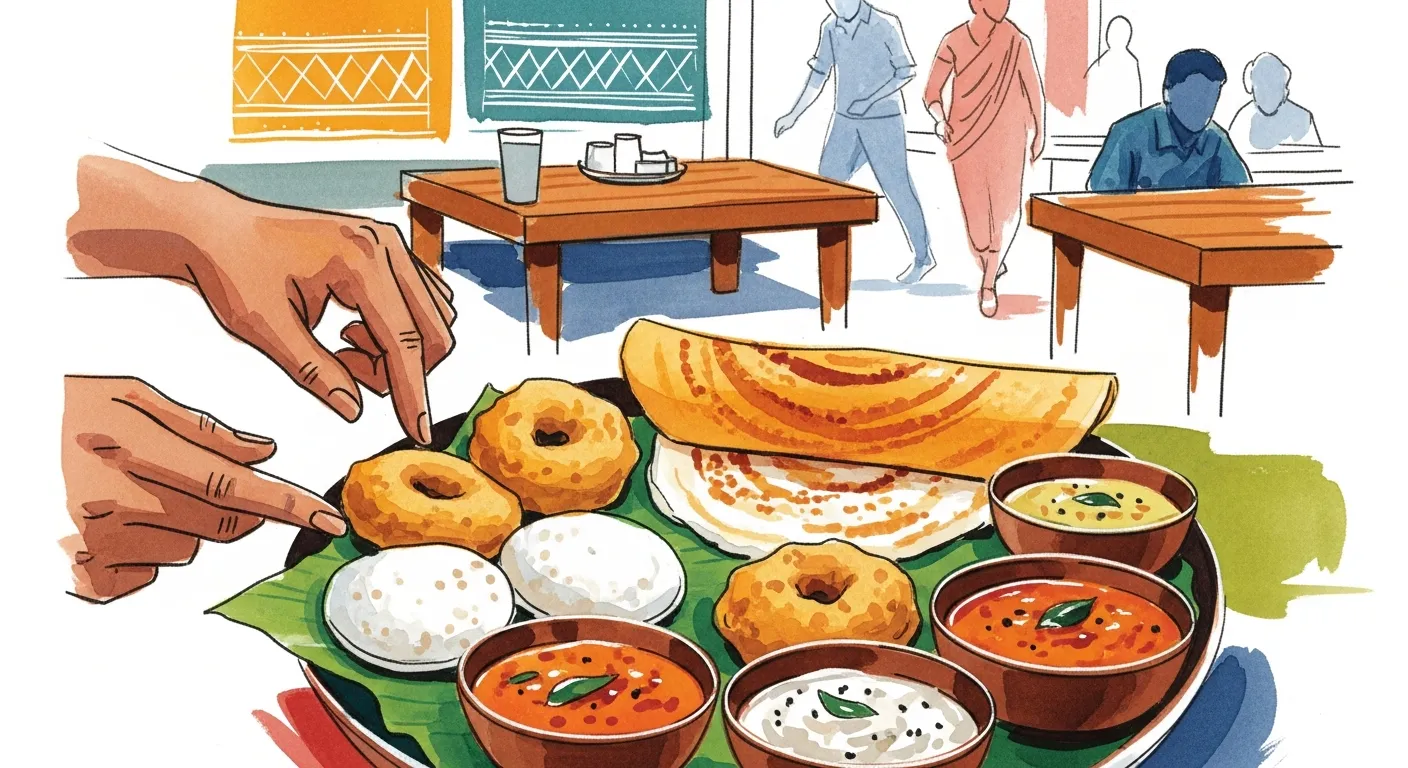
The paneer dosa appeared somewhere in the 1990s. Nobody from Karkala asked for it. A Punjabi family in Sion did. The Schezwan idli is younger. The cheese uttapam is younger still. The mysore masala has been there long enough to feel ancestral, but it was a Karnataka innovation that travelled to Matunga, not the other way around. The filter coffee, mercifully, has not been touched.
The newer move is retail. House-made podi in branded pouches. Sambhar powder. Rasam powder. Vacuum-packed chutney. The economics are simple. A kilo of podi sells for what twelve plates of idli sell for, with one-tenth the labour and no cylinder. The grandsons running these kitchens understand spreadsheets in a way their grandfathers did not need to.
The fourth generation is not abandoning the restaurant. It is using the restaurant as the brand for everything that is not the restaurant.
THE DINER WHO STILL TURNS UP
Go to Cafe Madras on a Sunday at 9am. There is a queue. There has been a queue at 9am on Sunday for as long as anyone in the building can remember. The queue is multi-generational. A Tam-Bram grandfather in a veshti. His son in jeans. His grandson on a phone. Three plates of pongal. One filter coffee shared between them.
The diner is the thing nobody is worried about.
The King's Circle Udupi houses are not struggling for customers. They are struggling for the conditions under which serving those customers makes sense. The cook who knows the rasam. The cylinder that lights the stove. The lease that doesn't reset to market. The grandson who chooses the restaurant over a job at a fintech in Powai.
Ramashraya has the grandson. Cafe Madras has the grandson. Sharda Bhavan, which trimmed its menu through the gas crisis, has the grandson.
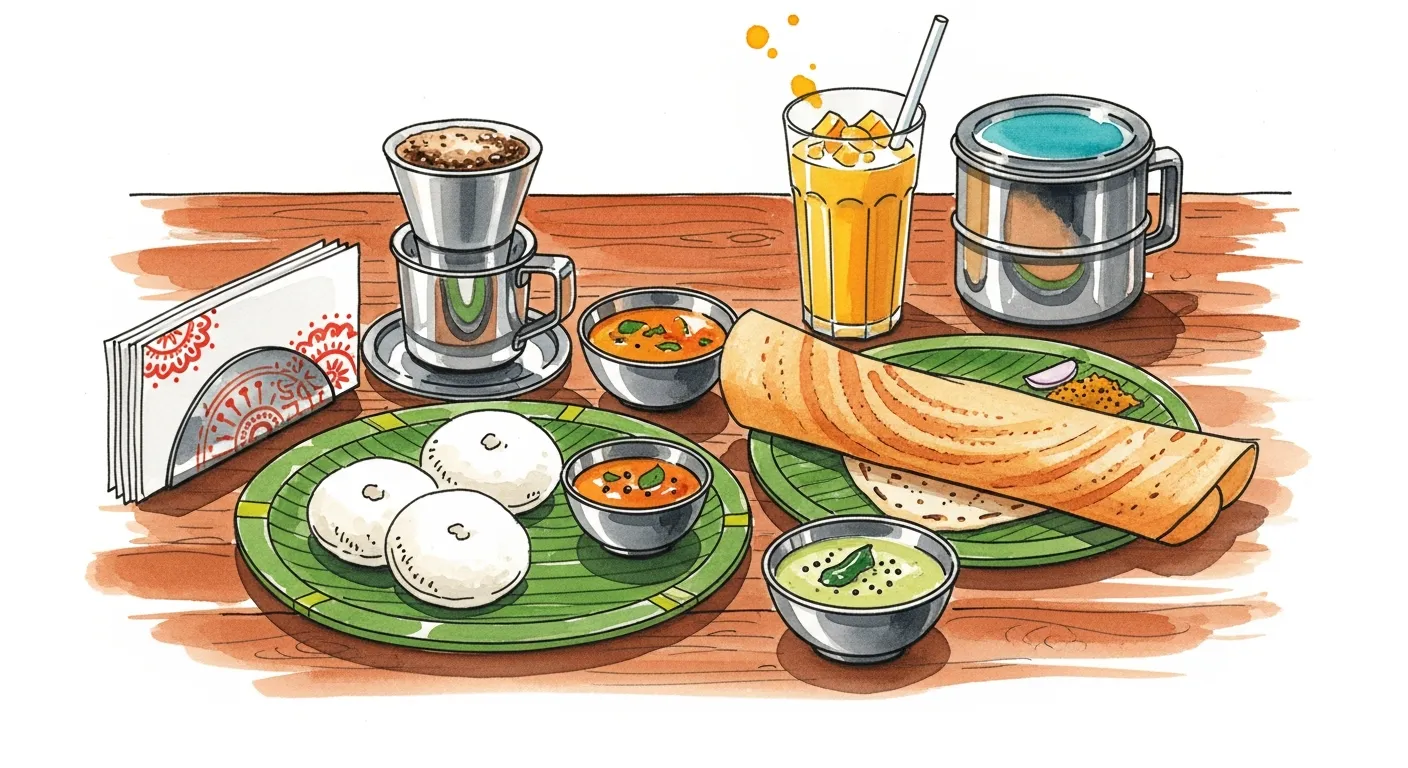
The ones that closed in the last fifteen years are the ones where the grandson said no.
The dosa is not in danger. The decision to keep making the dosa is.
THE THING THAT WAS NEVER A BRAND
The interesting part of the Udupi system is that it was never a chain. There is no franchise. No central kitchen. No shared supplier. Ramashraya is not related to Cafe Madras. Anand Bhavan is not related to Sharda Bhavan. They are competitors who came from the same fifty-kilometre stretch of coastline, learned the same rules from the same temple kitchens, and ended up within walking distance of each other in central Bombay because rent was cheap in 1940 and the Tamilian and Kannadiga clerks of the GIP Railway needed somewhere to eat tiffin.
The brand is the postcode.
Which is why King's Circle works in a way that no single restaurant could. A cook leaving Ramashraya does not leave the system. He walks two hundred metres and starts at Madras Cafe. A supplier delivering coconut to one kitchen drops the next sack at the door beside it. The cylinder shortage at one becomes the rationing strategy at the next by Wednesday. The grandson considering a fintech job sees five other grandsons who didn't take it.
The ecosystem holds because the ecosystem is the product.
Krishna Rao got off the train in 1924. He did not invent King's Circle. He just stopped walking. Enough men stopped walking that the circle, eventually, served their food back to them.
The trains still run. The grandsons still get the choice. Most of them, for now, are staying.
Field Notes
Quick referenceRamashraya opened in 1939. The menu hasn't changed in seven decades. The Formica tables are original.
King's Circle: five roads converging on one roundabout in Matunga. Every Udupi house within walking distance of every other.
The paneer dosa arrived in the 1990s. No one from Karkala requested it. A Punjabi family from Sion did.
A kilo of house-made podi earns what twelve plates of idli earn, with one-tenth the labour and no cylinder.
For forty years, men from Udupi, Shirva, Karkala, Brahmavar got on the same train to Bombay. The train still runs. The men have better options now.
Get the next story first
Join the Bhukkads. Free, no spam, just stories.
Takes 30 seconds.