Stories — Bombay Bhukkad
Bombay Bhukkad

A hungry state of mind

S
Stories

Off the
Menu

The stories behind the food. The people, the places, the plates.

Category

Area

Near Mumbai 58 stories
01
Investigating how the East Indian community in Matharpacady Village, Mazagaon, is culturally navigating the preservation and adaptation of its unique festive culinary heritage, including dishes like 'fugias' and 'vindaloo' made with traditional 'bottle masala', amidst urbanisation and a generational shift in cooking practices. — Matharpacady Village, Mazagaon, Mumbai
Culture Matharpacady Village, Mazagaon

The Spice Bottle Outlived the Empire

In a 400-year-old village inside Mazagaon, the East Indians are arguing with their own kitchens. The bottle is winning. The hands are not.

7 min read 25 May 2026
02
Investigating how the Koli community around Colaba's historic Sassoon Dock is economically struggling to preserve their unique traditional fish smoking and drying techniques ('bombil sukha') and associated recipes, amidst environmental concerns impacting local catches and growing competition from industrial seafood processing. — Colaba, Mumbai
Culture Colaba

The Dock That Forgot How to Sell Fish

Sassoon Dock has been Mumbai's first stop for fish since 1875. The community that built it is now being asked to leave the room while the room gets renovated.

7 min read 25 May 2026
03
Investigating how the few remaining iconic, multi-generational Udupi restaurants in Matunga's King's Circle area are economically and culturally adapting their business models and traditional menus to attract a new generation of diners while grappling with escalating property costs and a diminishing pool of skilled traditional cooks. — Matunga's King's Circle, Mumbai
Culture Matunga's King's Circle

The Circle That Refused to Become a Mall

Matunga's Udupi houses have outlived three generations, two pandemics, and one cooking gas crisis. The fourth generation is the one nobody is sure about.

7 min read 23 May 2026
04
Investigating how a burgeoning wave of specialized pop-up kitchens in Versova are economically disrupting traditional restaurant models by operating out of shared commercial kitchen spaces, offering niche regional menus to bypass high commercial rents and large overheads. — Versova, Mumbai
Pop-Ups Versova

The Kitchen Without a Dining Room

A 300-square-foot room in Versova, no signboard, no waiters, no rent that would close a restaurant. The economics of dinner just got rewritten on a service road behind Yari Road.

7 min read 23 May 2026
05
A Mumbai cocktail recipe or bar discovery — a specific drink, its origin, how to make it at home, or a bar that does it best. Little Little voice: intimate, nocturnal, specific. — Mumbai, Mumbai
Culture Mumbai

The Word 'Punch' Came From Here. Mumbai Forgot. The World Didn't.

Five ingredients. One Hindi word. Four hundred years of cocktails that started on this coast and came back as something else.

7 min read 22 May 2026
06
Investigating how new fine-dining ventures in Ballard Estate are economically re-interpreting and re-introducing forgotten regional Indian culinary traditions and pre-colonial ingredients, facing challenges with supply chain for niche ingredients and educating a modern palate. — Ballard Estate, Mumbai
Fine Dine Ballard Estate

The Estate That Forgot Its Own Pantry

Ballard Estate was built to ship cotton. A century later, its ground floors are shipping pre-colonial ingredients back into the Indian mouth, at fine-dining prices.

7 min read 21 May 2026
07
Investigating the economic and cultural strategies employed by Britannia & Co. in Fort to sustain its century-old Parsi culinary legacy amidst escalating heritage building maintenance costs and evolving customer preferences. — Fort, Mumbai
Culture Fort

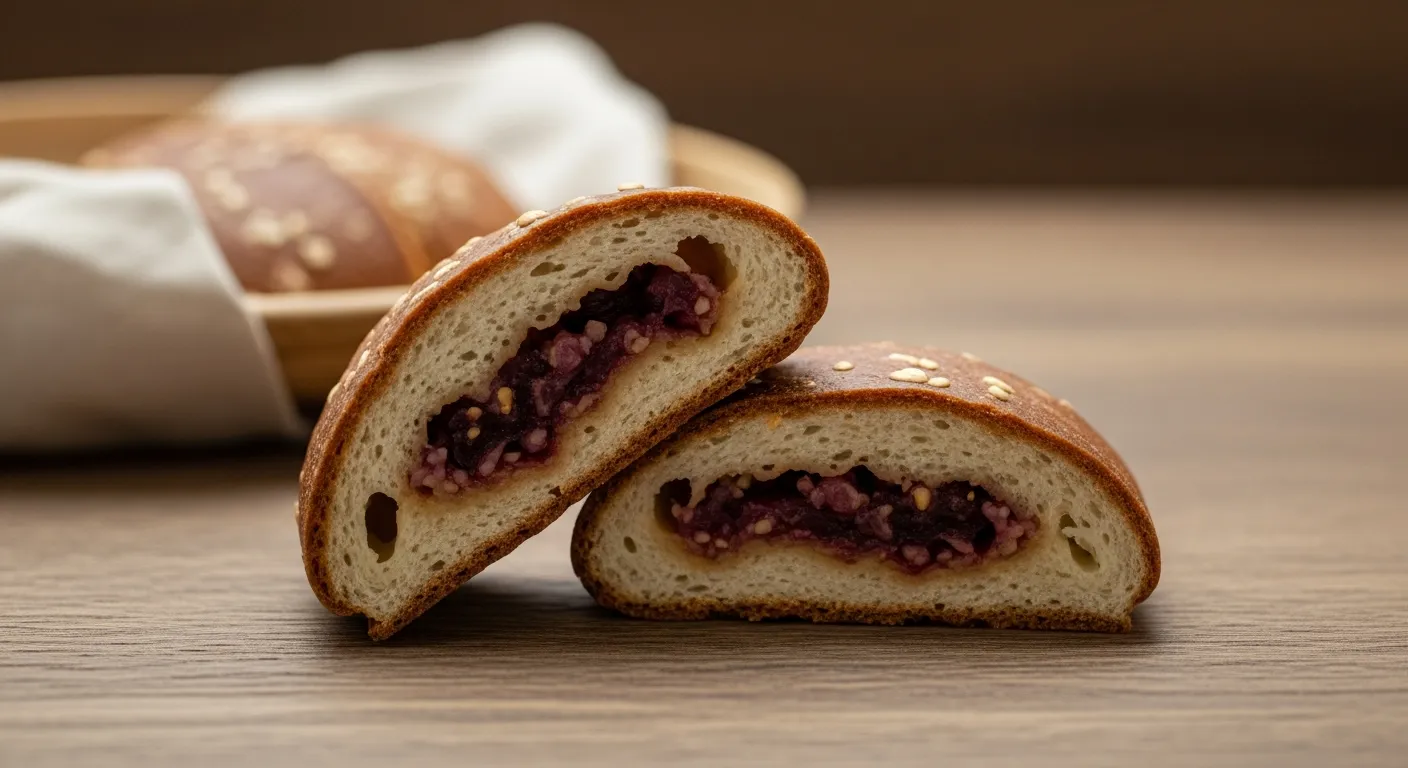
The Cafe That Got Its Name in Twenty-Four Hours

A British licensing officer made a joke in 1923. A hundred and two years later, the joke is still serving berry pulao.

8 min read 21 May 2026
08
A Mumbai bar story — a specific bar, a cocktail origin story, a bartender profile, a drinking neighbourhood, or a cocktail recipe. Write in Little Little voice: intimate, nocturnal, knows the city after dark. — Various Mumbai neighbourhoods known for nightlife, Mumbai
Culture Bandra, Mahalaxmi, Versova, Lower Parel

The Permit Room That Forgot to Close

Bombay's bars were born from a prohibition that never quite ended. The cocktails are new. The thirst is older than the city.

7 min read 20 May 2026
09
Investigating how Parsi home chefs in Dadar Parsi Colony are economically leveraging digital platforms and specialized delivery services to overcome ingredient sourcing challenges and expand their reach, thereby ensuring the continuity of their traditional celebratory dishes for a wider, non-Parsi clientele. — Dadar Parsi Colony, Mumbai
Home Chefs Dadar Parsi Colony

The Kitchen That Followed the Lift Down

Dadar Parsi Colony built itself around a community of 14,000. The community is smaller now. The kitchens are not. A dhansak made on the third floor of a 1930s block is now eaten in a flat in Goregaon, twenty kilometres and one app away.

6 min read 20 May 2026
10
Investigating how the dwindling number of traditional Bohri bakeries in Bhendi Bazaar are confronting the dual challenges of the massive Saifee Burhani Upliftment Trust (SBUT) redevelopment project and a significant shift in local consumer preferences towards contemporary baked goods, impacting their generational sustenance and unique culinary legacy. — Bhendi Bazaar, Mumbai
Culture Bhendi Bazaar

The Bakery That Opens at Four

Bhendi Bazaar's Bohri bakers have outlasted plague, partition, and prohibition. The cement mixer might be different.

7 min read 19 May 2026
11
Investigating how rapid demographic shifts and recent internal migration patterns in Thane West are economically fueling the proliferation of specialized regional Southern Indian tiffin services and small eateries, thereby redefining the local culinary landscape beyond traditional Udupi offerings. — Thane West, Mumbai
Culture Thane West

The Tiffin That Followed the Train

Thane West did not ask for Karnataka butter dosa. It asked for a one-bedroom flat near a tech park. The dosa came with the lease.

6 min read 19 May 2026
12
Investigating how the generational street vendors offering iconic Mumbai sandwiches and chaat in the Fort and Nariman Point business districts are economically adapting to the sustained reduction in corporate lunch demand, spurred by hybrid work models, while simultaneously battling escalating ingredient costs, threatening the economic viability of their long-standing operations. — Fort and Nariman Point, Mumbai
Street Food Fort and Nariman Point

The Lunch Hour That Stopped Coming

A Fort sandwich was built around a 1 pm rush that no longer exists. The cylinders cost three times what they did. The clerks work from home on Fridays. And the man with the butter knife is still showing up at 8 am.

7 min read 8 May 2026
13
Investigating how Sindhi home chefs in Chembur are economically adapting their traditional monsoon comfort food menus to cope with fluctuating seasonal ingredient prices and changing consumer preferences, impacting the preservation of their culinary heritage. — Chembur, Mumbai
Home Chefs Chembur

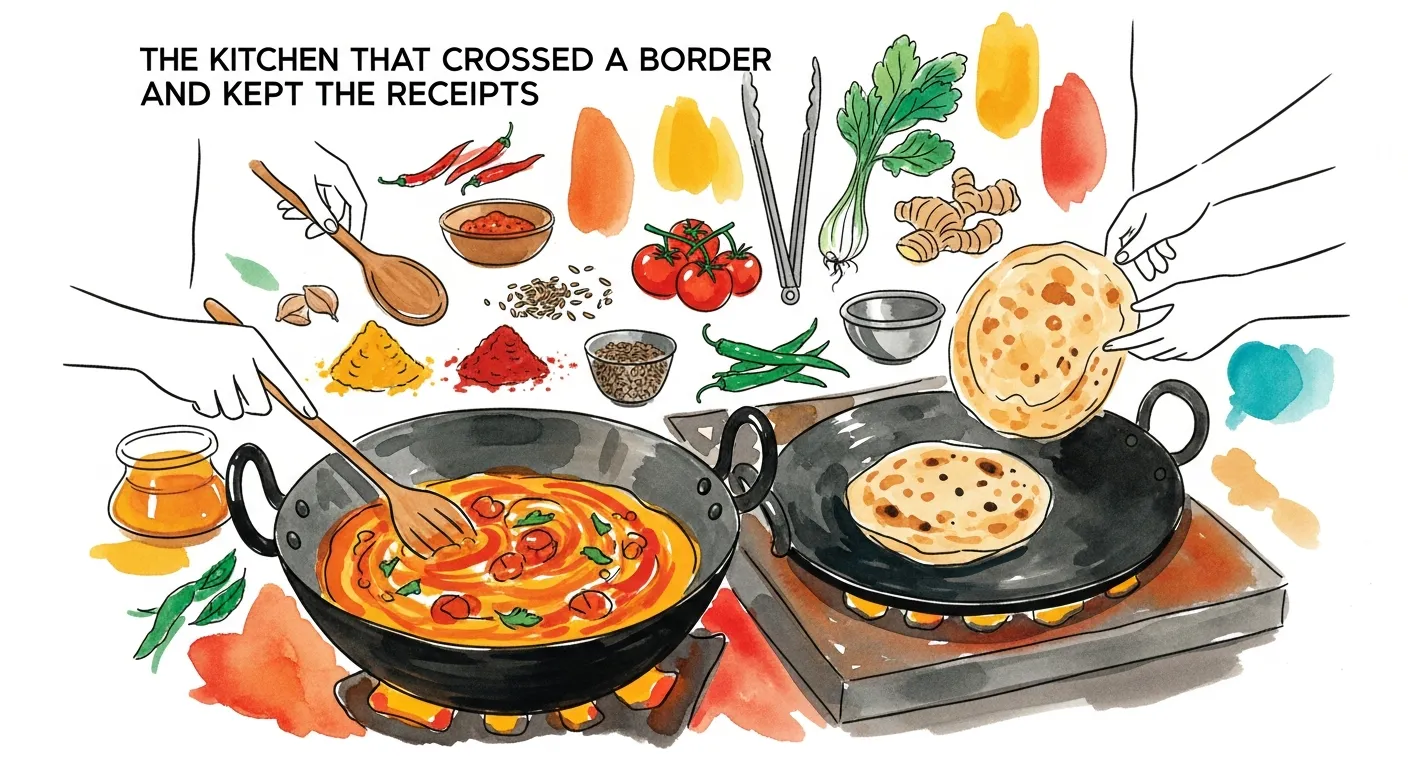
The Kadhi That Crossed a Border

A 75-year-old Sindhi cafe in Chembur. A vegetable price that doubled in May. A community that lost a country and kept the recipes. And what happens when the kokum gets expensive.

8 min read 7 May 2026
14
A Mumbai bar story — a specific bar, a cocktail origin story, a bartender profile, a drinking neighbourhood, or a cocktail recipe. Write in Little Little voice: intimate, nocturnal, knows the city after dark. — Colaba, Mumbai
Culture Colaba

The License That Built Bombay's Night

A 1949 Prohibition Act that nobody really enforced. A lounge bar that opened the same year. A cafe that survived eleven bullets. And the small, stubborn rituals of drinking in a city that was never supposed to drink.

7 min read 6 May 2026
15
Investigating how Matunga's iconic, decades-old Udupi restaurants are economically struggling with escalating commercial property taxes and the generational shift in patronage towards modern quick-service restaurants, threatening their unique cultural role as affordable community dining spaces. — Matunga, Mumbai
Culture Matunga

The Dosa That Held the Line for Eighty Years

A coastal town in Karnataka. A famine in 1336. A property tax revision in 2025. And a sixty-rupee filter coffee in Matunga that is doing the work of three generations.

8 min read 5 May 2026
16
Investigating how generational Bohri home chefs in Bhendi Bazaar are economically grappling with the rising costs of traditional, specialized ingredients and community-specific meat sourcing, while simultaneously adapting their renowned thali experience for a growing, diverse clientele, thereby impacting both their pricing strategy and the cultural authenticity of their culinary heritage. — Bhendi Bazaar, Mumbai
Home Chefs Bhendi Bazaar

The Thaal That Learned to Speak French

A 1,400-year-old eating tradition in Bhendi Bazaar. A wholesale inflation rate of 2.13 percent. A chicken sushi roll where the kheema samosa used to be. And a generation of cooks deciding what stays and what goes.

8 min read 5 May 2026
17
Investigating how the unique culinary identity of Sion Koliwada, forged by Partition-era Punjabi refugees, is facing an existential economic threat from escalating costs of traditional tandoor charcoal and a generational reluctance among younger descendants to continue the demanding trade, potentially diluting the neighbourhood's legendary tandoori dishes. — Sion Koliwada, Mumbai
Culture Sion Koliwada

The Sardars of Sion and the Price of Charcoal

A neighbourhood built by Partition refugees in 1947. A tandoor that costs Rs 45,000. A bag of black wood that doubled in price. And a generation of sons who would rather work in a bank.

7 min read 4 May 2026
18
Investigating how iconic, century-old Irani cafes in the Fort precinct, often housed in heritage-listed buildings, are economically grappling with escalating property taxes and the prohibitive costs of maintaining and restoring their unique colonial-era interiors, thereby threatening their ability to sustain an affordable cultural experience for their loyal, multi-generational clientele. — Fort precinct, Mumbai
Culture Fort precinct

The Cafe That Cannot Afford Its Own Building

A 121-year-old chai stop in Fort. A property tax hike of 15 percent. A restoration quote of 2,200 rupees per square foot. And a bun maska that still costs less than a Metro ticket.

7 min read 4 May 2026
19
A Saturday night bar story — where to go tonight, what to drink, the vibe, the food menu nobody talks about. Little Little voice: intimate, nocturnal, authoritative. — Multiple, Mumbai
Fine Dine Multiple

The Saturday Night Map

Five bars. One city. A licensing law from 1949 that still decides what time you stop drinking. And a food menu nobody orders from.

6 min read 2 May 2026
20
Examining how the iconic vada pav stalls lining the arterial road near Dadar railway station in Dadar West are facing mounting economic pressure from escalating commercial rental values for their small fixed spots and the growing preference among younger commuters for more 'hygienic' packaged snacks, threatening their generational legacy. — Dadar West, Mumbai
Street Food Dadar West

The Vada Pav and the Square Foot

A potato cutlet invented for mill workers in 1966. A pavement in Dadar that costs more per square foot than a flat in Bhandup. And a generation of vendors deciding whether to hand the tongs to their sons.

7 min read 2 May 2026
Page 1 of 3